
TREATMENTS
Treatments & Care Options
Personalized physiotherapy, massage, and rehabilitation care designed around your symptoms, goals, and recovery needs.
Our individualized approach allows therapists to focus on one patient at a time, with hands-on care included when appropriate.
Conditions and Concerns We Treat
We help patients with a wide range of musculoskeletal, neurological, and movement-related concerns.
Pain, Injury and Mobility
• Neck and back pain
• Sprains and strains
• Sports injuries
• Joint and muscle pain
• Tendon and overuse conditions
• Postural concerns
Balance, Head and Neurological Concerns
• Dizziness and vertigo
• Concussion symptoms
• Headaches
• Balance difficulties
• Vestibular conditions
• Reduced coordination
Specialized Concerns
• TMJ dysfunction
• Chronic pain
• Pelvic floor concerns
• Motor vehicle accident injuries
• Reduced mobility and strength
• Persistent movement limitations
Treatment recommendations are based on an individual assessment, your symptoms, and your recovery goals.
Our Core Treatments
Evidence-informed care using a range of techniques tailored to your needs.
Physiotherapy
Physiotherapy combines assessment, hands-on treatment, movement guidance, and individualized exercise to help reduce pain, restore mobility, and improve function.
- Manual therapy
- Therapeutic exercise
- Postural education
- Mechanical traction
- Injury rehabilitation
- Pain and mobility management
Mechanical Traction
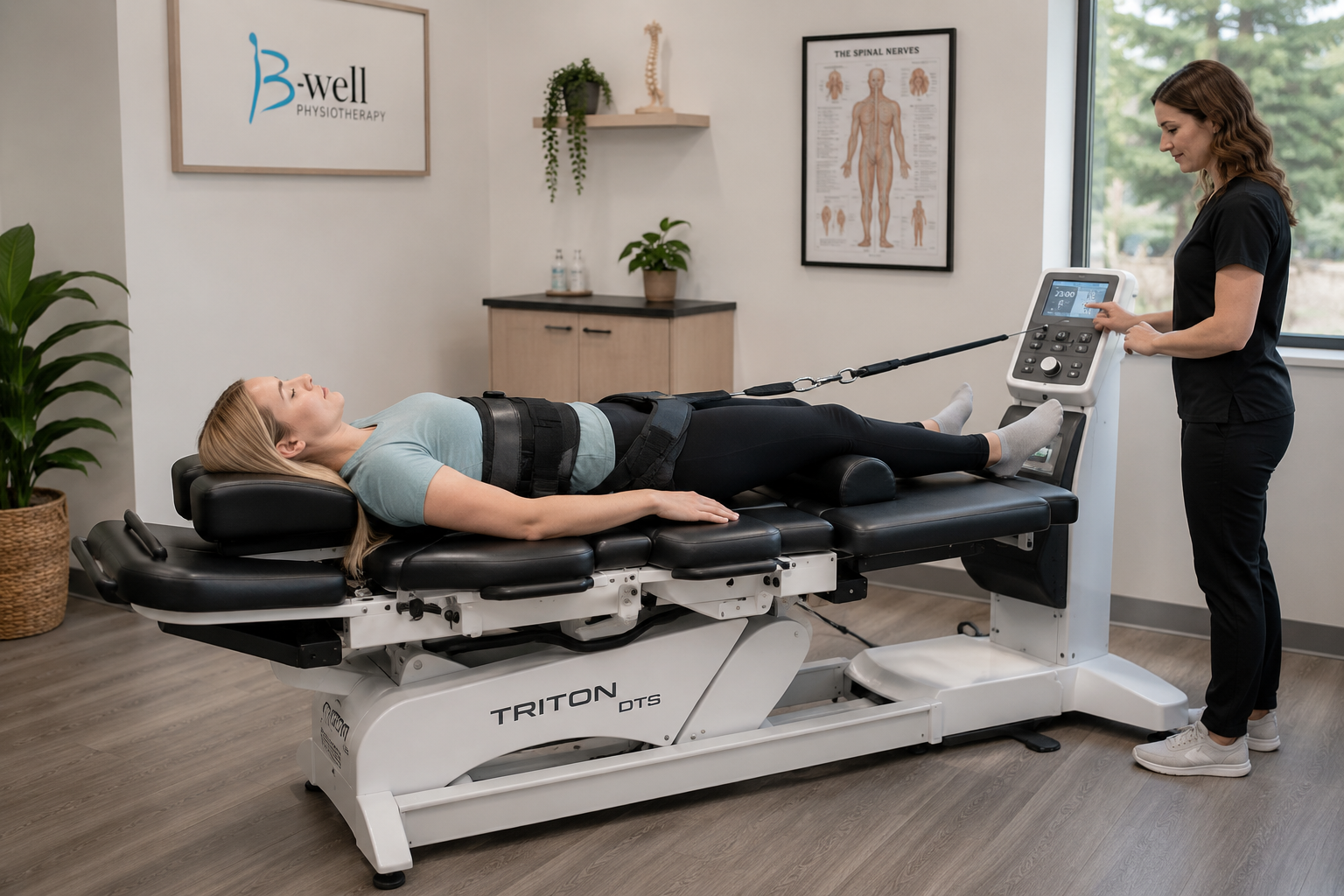
Mechanical traction uses a controlled pulling force to gently unload areas of the neck or lower back. Following an individual assessment, it may be included as part of a physiotherapy treatment plan to help manage selected spinal symptoms and improve comfort with movement.
- Cervical and lumbar traction
- Selected neck and lower-back conditions
- Disc and nerve-related symptoms
- Adjustable treatment force and positioning
- Combined with exercise and physiotherapy
Massage Therapy
Massage therapy uses hands-on techniques to reduce muscle tension, improve circulation, ease discomfort, and support recovery, mobility, and relaxation.
- Swedish and therapeutic massage
- Myofascial release
- Trigger point therapy
- Relaxation and stress relief
- Pre- and post-activity massage
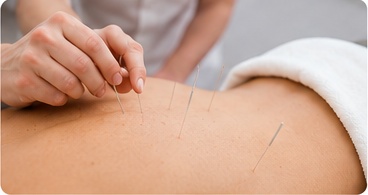
Acupuncture
Acupuncture uses fine needles placed at specific points to help manage pain, reduce muscle tension, and support recovery and well-being. Treatment may also include cupping or moxibustion when appropriate.
- Pain management
- Muscle tension
- Headaches
- Stress and relaxation support
- Nerve and joint pain
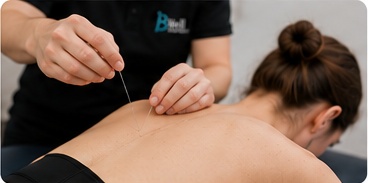
C Gunn IMS / Dry Needling
Intramuscular Stimulation, also known as Gunn IMS, uses fine needles to treat tight, shortened, or sensitive muscles that may contribute to pain and restricted movement.
- Muscle tightness and trigger points
- Sports and overuse injuries
- Neck and back pain
- Headaches
- Restricted movement
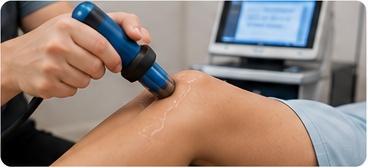
Shockwave Therapy
Shockwave therapy is a non-invasive treatment that delivers controlled acoustic energy to targeted tissues to support healing and reduce persistent pain.
- Plantar fasciitis
- Achilles tendinopathy
- Tennis elbow
- Patellar tendinopathy
- Persistent tendon and soft-tissue conditions
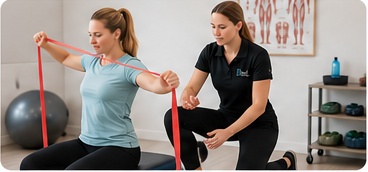
Rehabilitation Programs
Rehabilitation programs combine individualized exercise, movement retraining, education, and progressive strengthening to restore function and support a safe return to daily activity.
- Post-injury rehabilitation
- Strength and mobility training
- Balance and coordination
- Movement retraining
- Return to work and activity
Specialized Areas of Care
Focused assessment and treatment for more complex or specialized concerns.
Insurance Coverage
We direct bill most major insurance providers.
Referral
A physician referral is not required to book.
Appointment Length
New assessments are typically 45 minutes.
Direct Billing
Direct billing is available for many insurance plans.
Please Note
B-Well Physiotherapy does not accept WCB claims or Alberta Health post-surgical visits.
Not sure which treatment is right for you?
Our team is here to help. Book an appointment or contact the clinic to discuss your symptoms and care options.